
Show results for
Explore
In Stock
Artists
Actors
Authors
Format
Theme
Category
Genre
Rated
Label
Specialty
Decades
Size
Color
Deals
- 4K Ultra HD Sale
- Action Sale
- Alternative Rock Sale
- Anime sale
- Award Winners Sale
- Blu ray Sale
- British Music Sale
- British Sale
- Classical Music Sale
- Comedy Sale
- Country Sale
- Criterion Sale
- Cult Films sale
- Drama Sale
- Electronic Music sale
- Horror Sci fi Sale
- Jazz Sale
- Metal Sale
- Music Video Sale
- Musicals on Sale
- Mystery Sale
- Naxos Label Sale
- Paramount Sale
- Rap and Hip Hop Sale
- Rock
- Rock and Pop Sale
- Rock Legends
- Soul Music Sale
- TV Sale
- Vinyl on Sale
- War Films and Westerns on Sale

1966
- Artist: Karen Dalton
- Format: CD
- Release Date: 1/24/2012
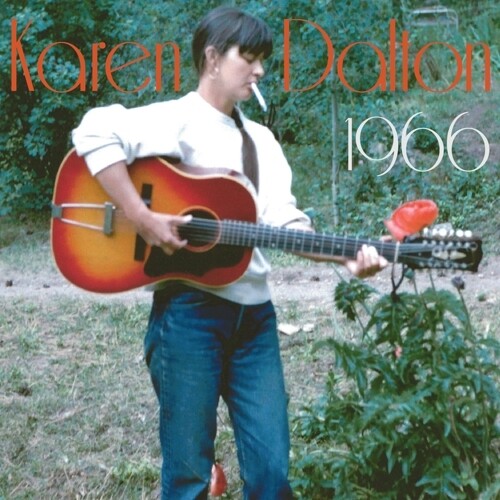
1966
- Artist: Karen Dalton
- Format: CD
- Release Date: 1/24/2012
- Artist: Karen Dalton
- Label: Delmore Recording
- UPC: 609722629997
- Item #: DMRG262999
- Genre: Rock
- Release Date: 1/24/2012

Product Notes
Archive collection of previously unreleased impromptu recordings from the underground Folk legend. Karen Dalton was a remote, elusive creature. A hybrid of tough and tender with an unearthly voice that seemed to embody a time long past. As is often the case with such fragile beings, she instinctively understood that the only way to survive the harshness of the world around her, was to keep herself hidden. So it comes as no great surprise that she rarely sang in public or ventured into the unnatural setting of a recording studio. Only twice, for 1969's It's So Hard to Tell Who's Going to Love You the Best and then again for 1971's in My Own Time, was she coaxed from her habitat into the studio. Other times she made music in casual settings, sitting around a kitchen table or wood burning stove with her friends, singing and playing until daybreak.
Credits
-
Composer(s)Billie Holiday
Fred Neil
Ma Rainey
Tim Hardin
Traditional
William Walker
-
Artist(s)Karen Dalton
-
Performer(s)Richard Tucker
