
Show results for
Deals
- 4K Ultra HD Sale
- Action Sale
- Alternative Rock Sale
- Anime sale
- Award Winners Sale
- Blu ray Sale
- British Music Sale
- British Sale
- Classical Music Sale
- Comedy Sale
- Country Sale
- Criterion Sale
- Cult Films sale
- Drama Sale
- Electronic Music sale
- Horror Sci fi Sale
- Jazz Sale
- Metal Sale
- Music Video Sale
- Musicals on Sale
- Mystery Sale
- Naxos Label Sale
- Rap and Hip Hop Sale
- Reggae Sale
- Rock
- Rock and Pop Sale
- Rock Legends
- Soul Music Sale
- TV Sale
- Vinyl on Sale
- War Films and Westerns on Sale

Ballet Music
- Format: CD
- Release Date: 4/3/2020
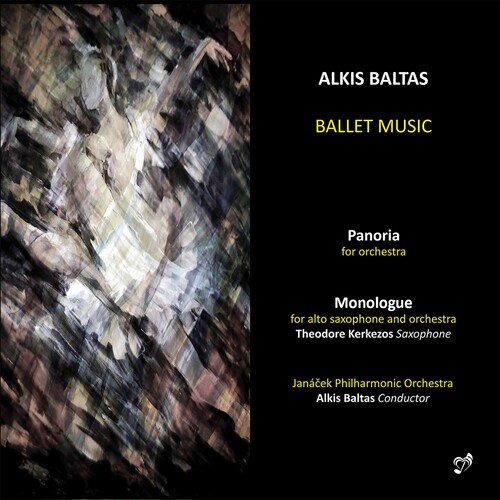
Ballet Music
- Format: CD
- Release Date: 4/3/2020
- Label: Phasma Music
- UPC: 660989085704
- Item #: 2280355X
- Genre: Classical
- Release Date: 4/3/2020

Product Notes
The outstanding album BALLET MUSIC is the third album in a series dedicated to the one of Greece's leading composers, Alkis Baltas. The ballet Panoria was composed during the period 2002-3, following the assignment by the Greek National Opera. The play was first presented in 2004 in five shows by the ballet of the Greek National Opera, with choreography by Charis Mantafounis, who transferred the story to the modern era. The story of the ballet is based freely on the theatrical play Panoria by the Cretan Renaissance writer Georgios Chortatsis (1550-1610). Two haughty Amazons refuse the love of two young men. At the end, the two girls' refusal is transformed into strong love. The nature of the music follows the sometimes lyrical and sometimes comic scenes of the play. Sometimes, in parts of intense rhythmic character, some distant references to Cretan traditional music are made. Musical references are also made to Renaissance music, mostly by the use of the melody of the song "So ben, mi, c'ha bon tempo" of Chortatsis's contemporary, Italian composer Orazio Vecchi. The ballet Monologue for alto saxophone and orchestra was composed in 2009. It is intended to be interpreted by only one dancer, who, during the composition, renders various sentiments and emotions. After the intense orchestral introduction, the solo saxophone plays a broadly expressive melody. With gradually increased movement, the music moves to intense, anguished dancing movement. The saxophone's melody aims to express the internal philosophic mood of the lead dancer. A development part follows, in which the solo saxophone has an intense dancing dialogue with the orchestra. Immediately after, the saxophone's second cadenza is heard, which also has the character of internal meditation. The play finishes with a calm coda and the music fading as the lights of the scene dim. The composition is dedicated to the saxophone soloist Theodore Kerkezos.
