
Show results for
Deals
- 4K Ultra HD Sale
- Action Sale
- Alternative Rock Sale
- Anime sale
- Award Winners Sale
- Blu ray Sale
- British Music Sale
- British Sale
- Classical Music Sale
- Comedy Sale
- Country Sale
- Criterion Sale
- Cult Films sale
- Drama Sale
- Electronic Music sale
- Horror Sci fi Sale
- Jazz Sale
- Metal Sale
- Music Video Sale
- Musicals on Sale
- Mystery Sale
- Naxos Label Sale
- Rap and Hip Hop Sale
- Reggae Sale
- Rock
- Rock and Pop Sale
- Rock Legends
- Soul Music Sale
- TV Sale
- Vinyl on Sale
- War Films and Westerns on Sale

Folk Baroque - Speculative Music from 18th Century Poland
- Format: CD
- Release Date: 7/17/2026
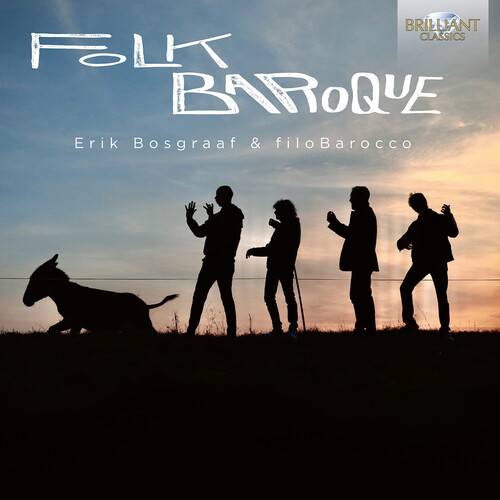
Folk Baroque - Speculative Music from 18th Century Poland
- Format: CD
- Release Date: 7/17/2026
- Composers: Carlo Maria Paulesu, Erik Bosgraaf, Francesco Facchini, Marco Baronchelli
- Label: Brilliant Classics
- UPC: 5063758974127
- Item #: 2811306X
- Genre: Classical Artists
- Release Date: 7/17/2026
CD
Price: $14.43

Get it between
Mon. Sep 21 - Tue. Oct 6
Deliver to
Product Notes
When Baroque Meets Folk Energy
In 'folk baroque', the music of Georg Philipp Telemann encounters the vibrant dance traditions of central Europe. The program grew out of a collaboration between recorder virtuoso Erik Bosgraaf and the Italian ensemble filoBarocco during the Gottingen International Handel Festival, initiated within the European support programme EEEMERGING+. At the heart of the project lies the fascinating Rostock Manuscript, a historical source long associated with Telemann's fascination with Central European folk traditions. For Bosgraaf and filoBarocco, the manuscript offers the perfect point of departure for exploring the meeting ground between Baroque repertoire and living folk music traditions. The ensemble shares a deep enthusiasm not only for historical performance practice but also for music that retains the energy, spontaneity, and expressive freedom of traditional dance music. Telemann himself was renowned for his openness to musical influences from across Europe. During his travels he encountered Polish and Hanna folk traditions that left a lasting impression on him. In his autobiographical writings, he vividly describes the impact of this music: it's rhythmic vitality, it's improvisatory spirit, and it's powerful melodic expression. These qualities fascinated him and found their way, sometimes subtly, sometimes quite directly, into his own compositions. Yet reconstructing the sound world of the eighteenth century presents a unique challenge. Unlike music from the twentieth or twenty-first centuries, there are no recordings to tell us exactly how this repertoire once sounded. Historically informed performance with this repertoire therefore requires re-composition. Musicians must piece together clues from written scores, historical treatises, instrument research, and contemporary descriptions. On the recording 'folk baroque' the musicians expand this process further by drawing inspiration from living folk traditions. Many rhythmic patterns, ornamentations, and expressive gestures that appear in Baroque music still survive today in Central European dance music. These traditions offer valuable insights into how such musical gestures might function in performance. The goal is not to recreate a supposedly "authentic" past because that would be inherently impossible, but to create a musical interpretation that feels convincing, vibrant, and alive for modern listeners inspired by the timeless melodies of the Rostock Manuscript. For this reason, the program includes elements of improvisation and experimental playing techniques. While this approach may initially seem unusual in a Baroque context, it reflects the spirit of exploration that shaped the music of Telemann's own time. The musical notation in the Rostock Manuscript often provides only a framework rather than a fully fixed sound image. It invites performers to engage creatively with the material and rediscover it's inherent energy. The result is a concert experience that feels both historical and contemporary. The music is rooted in eighteenth-century sources, yet interpreted by musicians who are equally at home in the traditions of early music and in modern sonic experimentation. Ultimately, what connects this repertoire with today's audience is emotion. Instruments and styles may change over time, but the fundamental human passions expressed through music remain the same: joy, melancholy, longing, passion, and the irresistible urge to dance. When listeners begin to grasp the expressive language behind these works, the music suddenly feels remarkably immediate. It ceases to be merely a historical artefact and becomes a living experience, almost as if a sleeping frog had been awakened with a kiss