
Show results for
Deals
- 4K Ultra HD Sale
- Action Sale
- Alternative Rock Sale
- Anime sale
- Award Winners Sale
- Blu ray Sale
- British Music Sale
- British Sale
- Classical Music Sale
- Comedy Sale
- Country Sale
- Criterion Sale
- Cult Films sale
- Drama Sale
- Electronic Music sale
- Horror Sci fi Sale
- Jazz Sale
- Metal Sale
- Music Video Sale
- Musicals on Sale
- Mystery Sale
- Naxos Label Sale
- Rap and Hip Hop Sale
- Reggae Sale
- Rock
- Rock and Pop Sale
- Rock Legends
- Soul Music Sale
- TV Sale
- Vinyl on Sale
- War Films and Westerns on Sale

Theme varie
- Format: CD
- Release Date: 7/17/2026
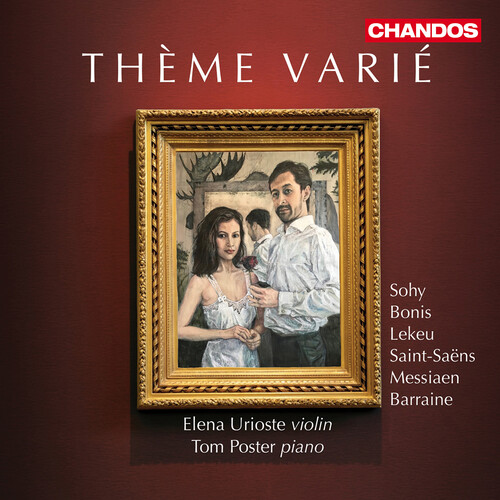
Theme varie
- Format: CD
- Release Date: 7/17/2026
- Label: Chandos
- UPC: 0095115238028
- Item #: 2816177X
- Genre: Classical Artists
- Release Date: 7/17/2026

Product Notes
Conceived as a treasure trove of lesser-known French and Belgian repertoire, the works on this album span a forty-year period, from 1892 to 1932. A number of unifying threads run through the programme, perhaps the most significant of which is the influence of a composer whose music is not heard here at all: César Franck. Franck taught and championed Guillaume Lekeu and Mel Bonis; and Bonis in turn taught Charlotte Sohy, whose principal composition teacher was Vincent d'Indy, one of Franck's most devoted acolytes. The artists decided against including Franck's Violin Sonata in favour of the work by his fellow Belgian Lekeu, much more rarely recorded and hardly ever heard in the concert hall. A number of shorter works surround this sonata to form a uniquely rewarding programme, starting with Charlotte Sohy's Thème varié. Three works by Mel Bonis complement the duo's recording of her Violin Sonata on their previous album (CHAN 20275), whilst the two Élégies by Saint-Saëns have also been unfairly neglected. Fascinatingly, the second Élégie and Messiaen's Thème et variations are separated by just a dozen years, although they inhabit sound worlds seemingly decades apart. Elsa Barraine was Messiaen's contemporary and lifelong friend. Her haunting Nocturne seemed to provide a fitting conclusion to this programme.
